Introducing the HGNESS Solar Battery
Massive Energy Storage at an Unusually Low Price
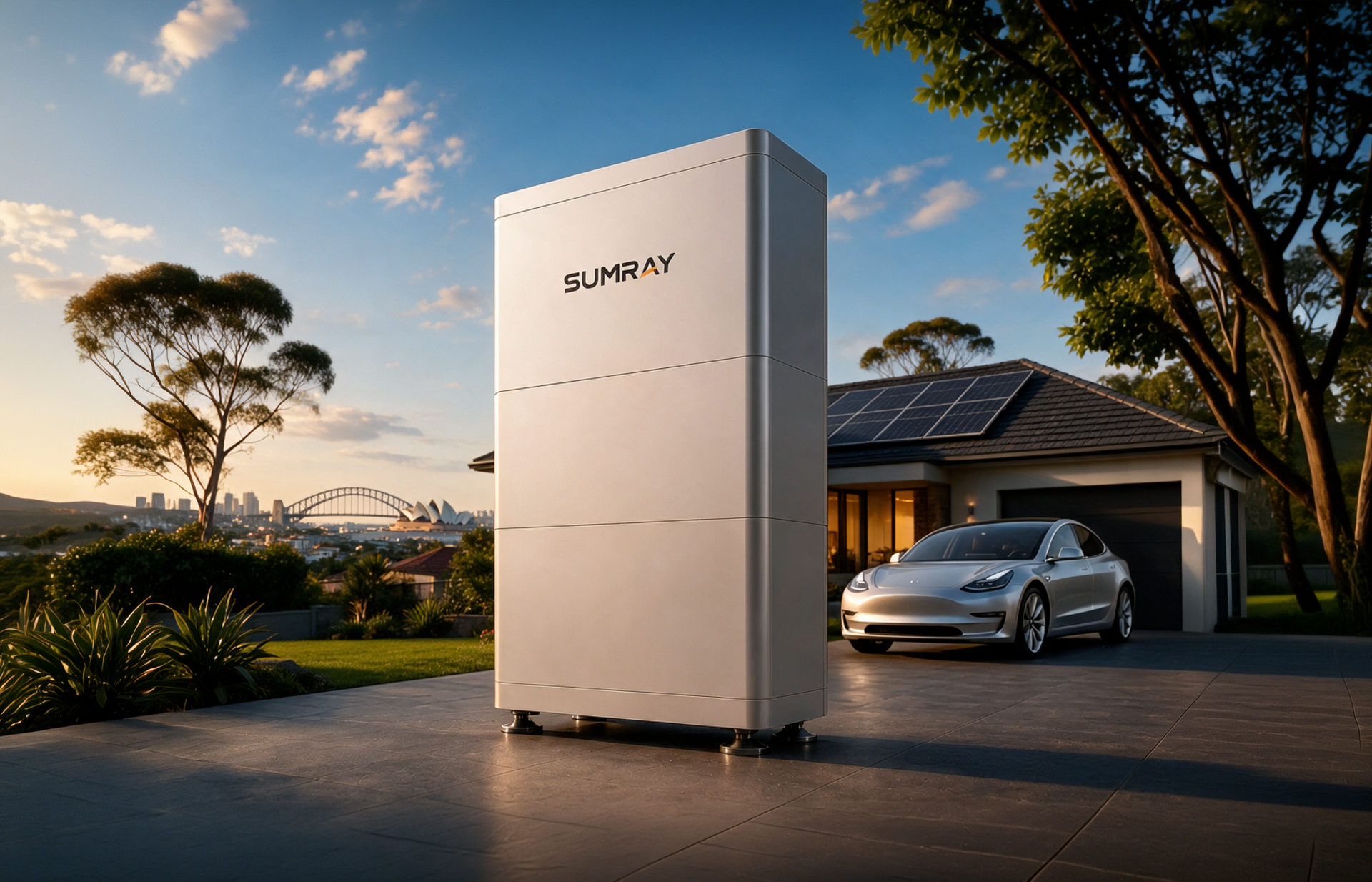
A new large-capacity solar battery has arrived in Australia and it’s changing expectations for what homeowners can get from battery storage.
Aussie Solar Batteries would like to introduce the HGNESS modular battery system, paired with a three-phase hybrid inverter, delivering commercial-grade storage capacity for modern Australian homes.
Even more surprising is the price.
Complete HGNESS battery systems are now available from $3,999, making it one of the most compelling price-to-capacity battery solutions currently available in the market.
With government rebates and battery incentives changing from 1 May 2026, homeowners considering battery storage may want to act soon before new rules take effect.
Why Larger Solar Batteries Are Becoming More Popular
Australia’s solar adoption has been incredibly successful, but many homes still export large amounts of unused solar energy back to the grid during the day.
At the same time, electricity prices continue to rise while feed-in tariffs decline.
This is why many households are now looking at larger battery systems that can store more solar energy for evening use.
A typical Australian home can easily use 15–50kWh of electricity per day, particularly if it has:
- air conditioning
- electric hot water
- electric vehicle charging
- pool pumps
- larger households
Traditional batteries often cannot cover an entire evening of usage.
This is where large-capacity batteries like HGNESS become attractive.
Meet the HGNESS Modular Battery
The HGNESS battery is a high-capacity lithium storage system designed to deliver serious energy storage for homes and small commercial applications.
The system uses a modular stack design, allowing multiple lithium battery modules to be combined into a single tower capable of delivering over 51kWh of usable storage.
Key highlights include:
Massive Storage Capacity
The HGNESS system delivers upto 51.2kWh of energy storage, enabling households to store far more solar energy for night-time usage.
Safe LiFePO₄ Battery Chemistry
The system uses Lithium Iron Phosphate (LFP) cells, widely recognised as one of the safest and most stable lithium battery technologies.
Benefits include:
- long cycle life
- excellent thermal stability
- reliable performance over many years
Modular Expandable Design
HGNESS batteries use stacked modules, making them easy to scale and maintain while keeping a clean, compact tower design.
Built for Australian Conditions
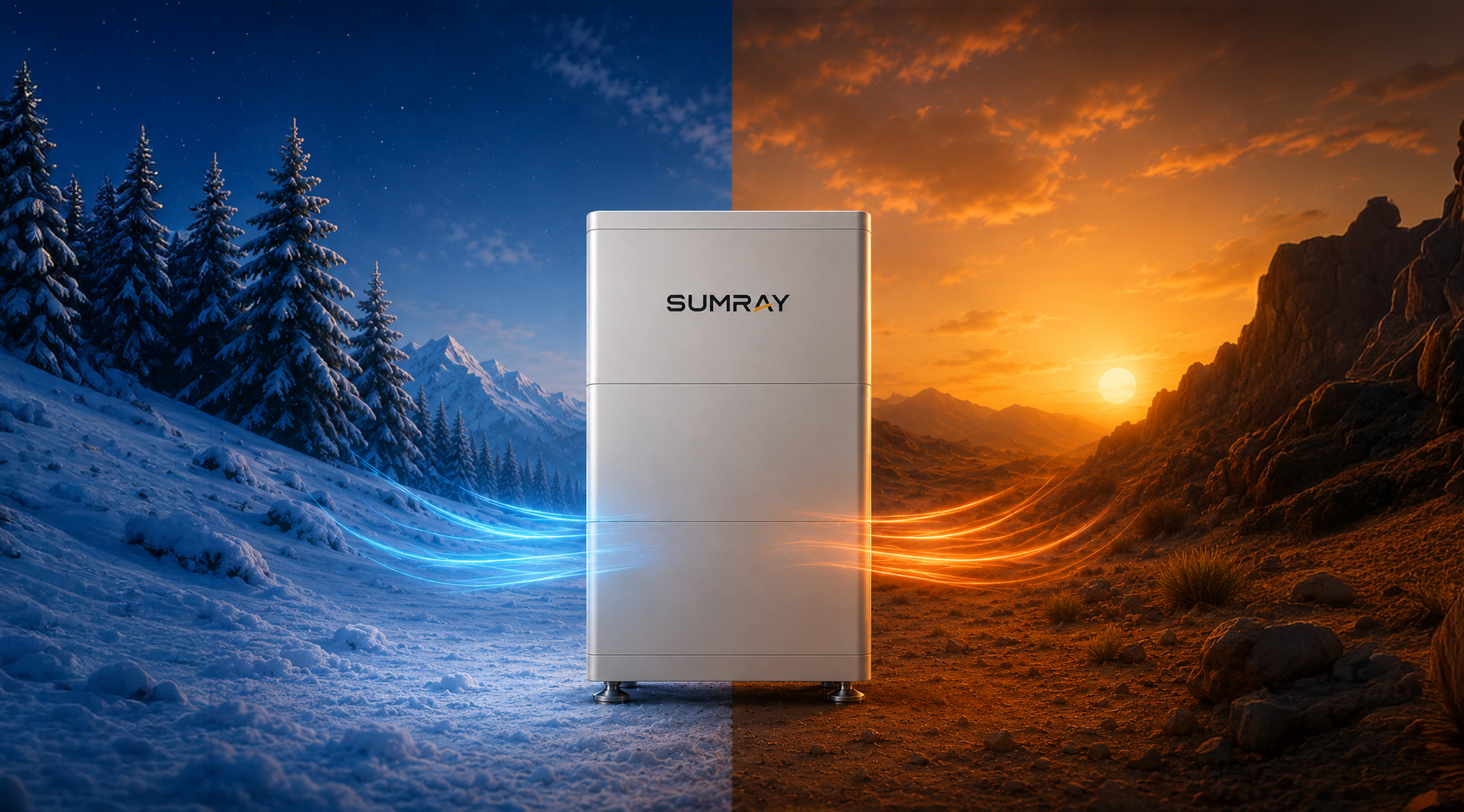
The system features IP-rated protection, allowing indoor or outdoor installation and ensuring reliable performance across a range of environments.
Paired With a Three-Phase Hybrid Inverter
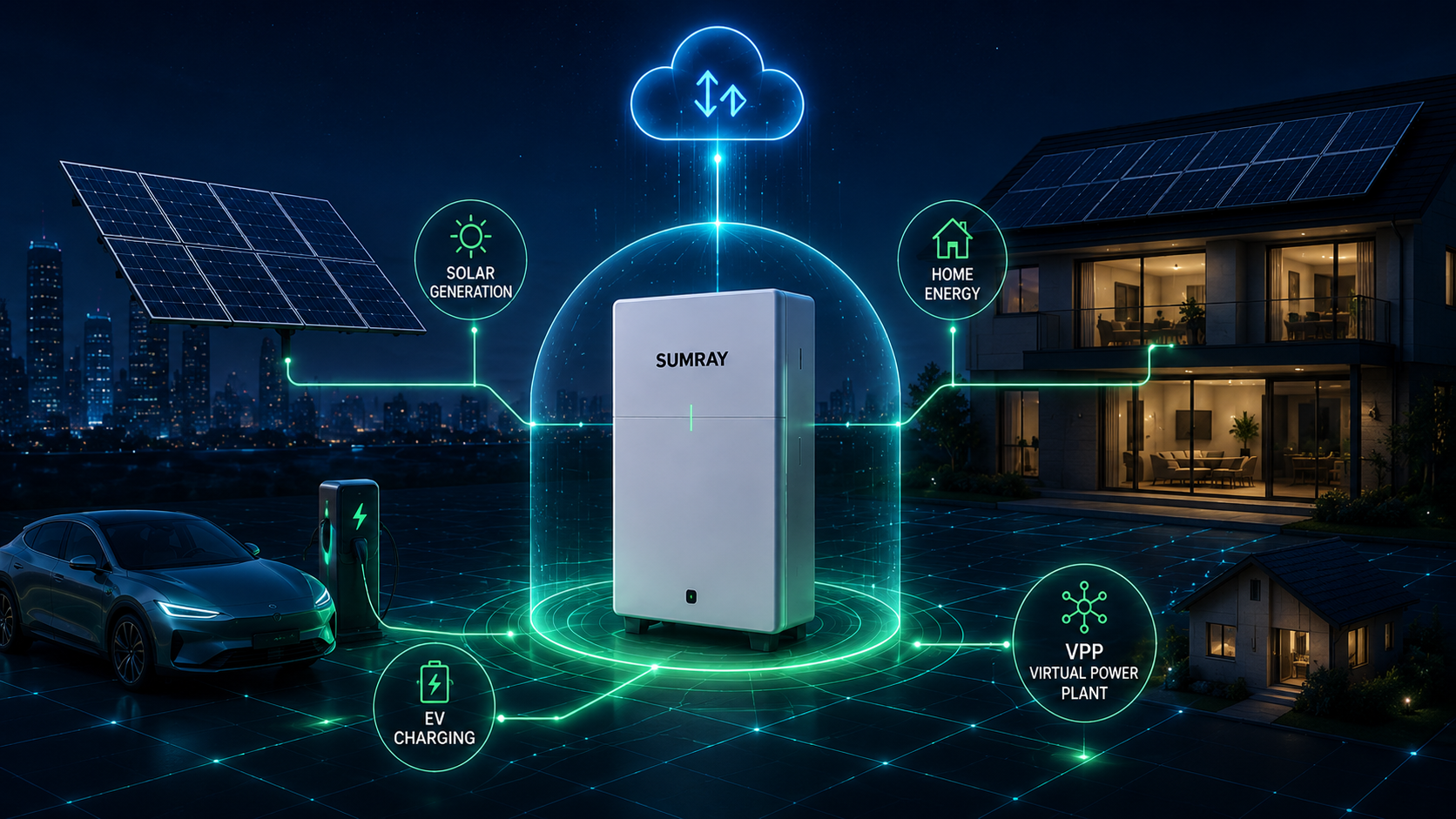
To maximise performance, the HGNESS battery is paired with a three-phase hybrid inverter, enabling seamless integration with modern solar systems.
This allows the system to:
- store excess solar energy during the day
- power the home during the evening
- provide backup support during outages
- intelligently manage energy flows
The hybrid design means the system can work with new solar installations or existing solar systems.
Installed by Australia’s Largest Solar Battery Installer
When choosing a battery system, installation experience matters.
Aussie Solar Batteries (Solar Systems Pty Ltd) is again Australia’s largest solar battery installer in 2026, based on national installation data published by the Australian Government’s Clean Energy Regulator (CER).
This means homeowners benefit from:
- extensive installation experience
- system design expertise
- proven battery deployment at scale
- ongoing technical support
Important: Battery Rebates Change 1 May 2026
Battery incentive structures and rebate programs are expected to change from 1 May 2026, which will affect system pricing and eligibility.
We encourage homeowners considering battery storage to lock in installation before rebate rules change.
As battery demand increases across Australia, installation schedules can also fill quickly during major policy transitions.
Is the HGNESS Battery Right for Your Home?
The HGNESS system is particularly well suited to households that:
- have large solar systems
- want significant backup storage
- use large amounts of electricity
- plan to install EV charging
- want maximum solar self-consumption
With 51kWh of storage capacity, the HGNESS battery represents one of the largest residential battery options currently available in Australia.