Sumray Battery Review: An Honest Look Before You Sign
If you've landed here, chances are you've just been quoted a Sumray battery and you've never heard of the brand. Fair enough. Here's the straight version.
Is Sumray a real brand?
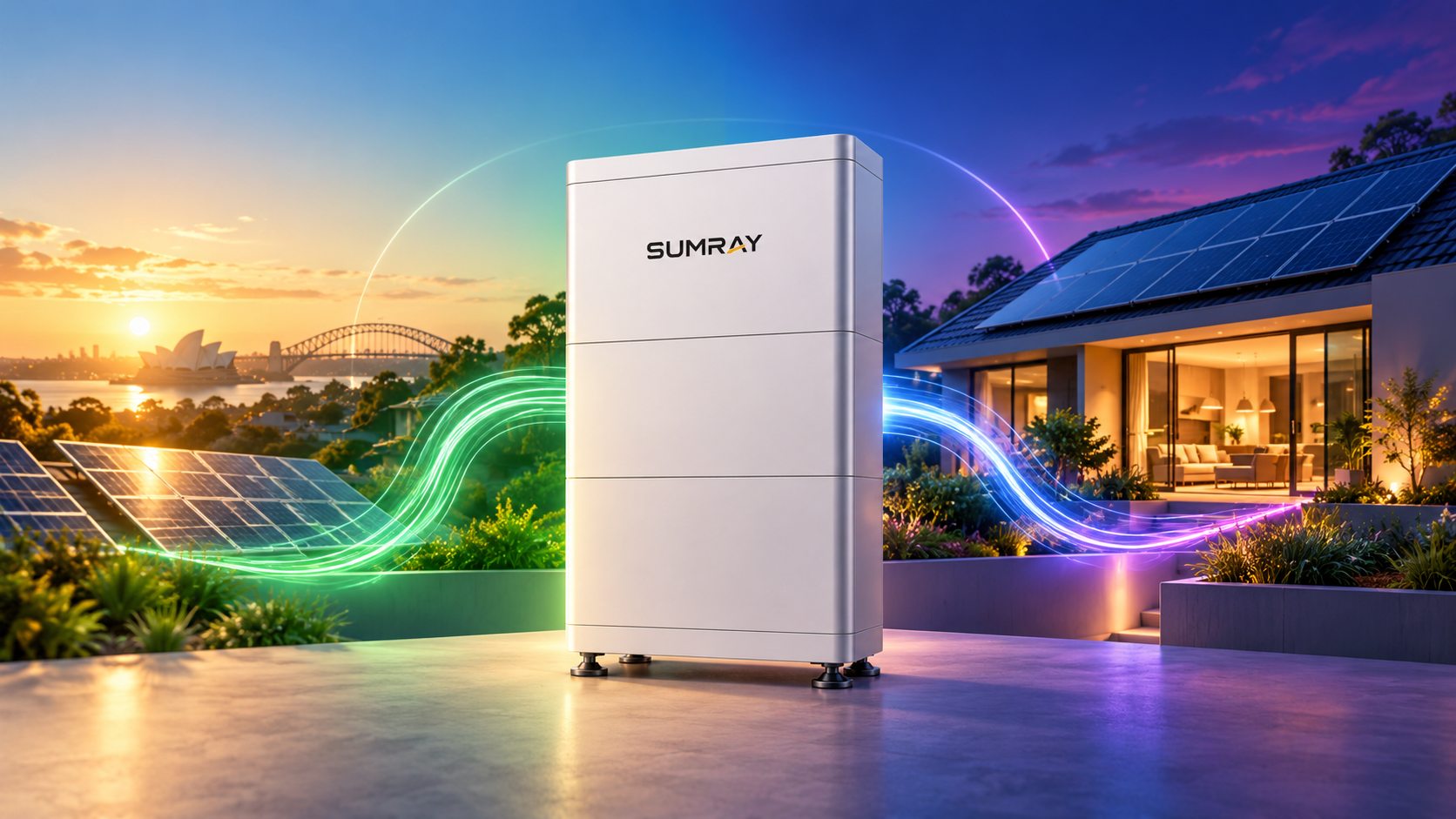
Yes. Sumray is Clean Energy Council approved, which means it's on the same list of vetted equipment as Tesla, Sungrow and BYD. Australian installs must use CEC-listed gear to qualify for federal and state rebates, so it isn't a grey import.
The unit itself is a 27.84kWh LFP (lithium iron phosphate) battery — the same chemistry class as a Powerwall 3, a BYD Battery-Box or a Sungrow SBR. That's the stable, fire-resistant chemistry that's become the standard for quality home storage.
So why haven't I heard of it?
Because Sumray hasn't spent fifteen years advertising in Australia, and Tesla has.
Brand recognition and product quality are different things. What you're weighing up is whether the badge on the front is worth the premium attached to it. In battery storage, the gap between a well-known name and a lesser-known one is often marketing spend and distribution history rather than what's inside the box.
That's not an argument to ignore the brand question. It's an argument to check the specs and the warranty instead of the logo.
What's the catch on the price?
The honest answer: there isn't a hidden one, but there is a trade-off, and you should know what it is.
You're accepting a brand without a long Australian track record. In exchange, you're not paying the premium that comes with an established name. Same LFP chemistry, longer warranty than most, considerably less money.
If that trade-off doesn't sit right with you, that's a legitimate call to make. We'd rather you decide with your eyes open than find out later.
The specs that actually matter
- 15-year warranty. Most home batteries in Australia stop at 10. Only a handful of brands go to 15, and they sit at the premium end of the market.
- Up to 10,000 charge cycles. This is what determines how many years you actually get.
- Built-in fire suppression. Aerosol suppression inside the unit, plus a dual-polarity isolator and a modular design that contains a single-module fault.
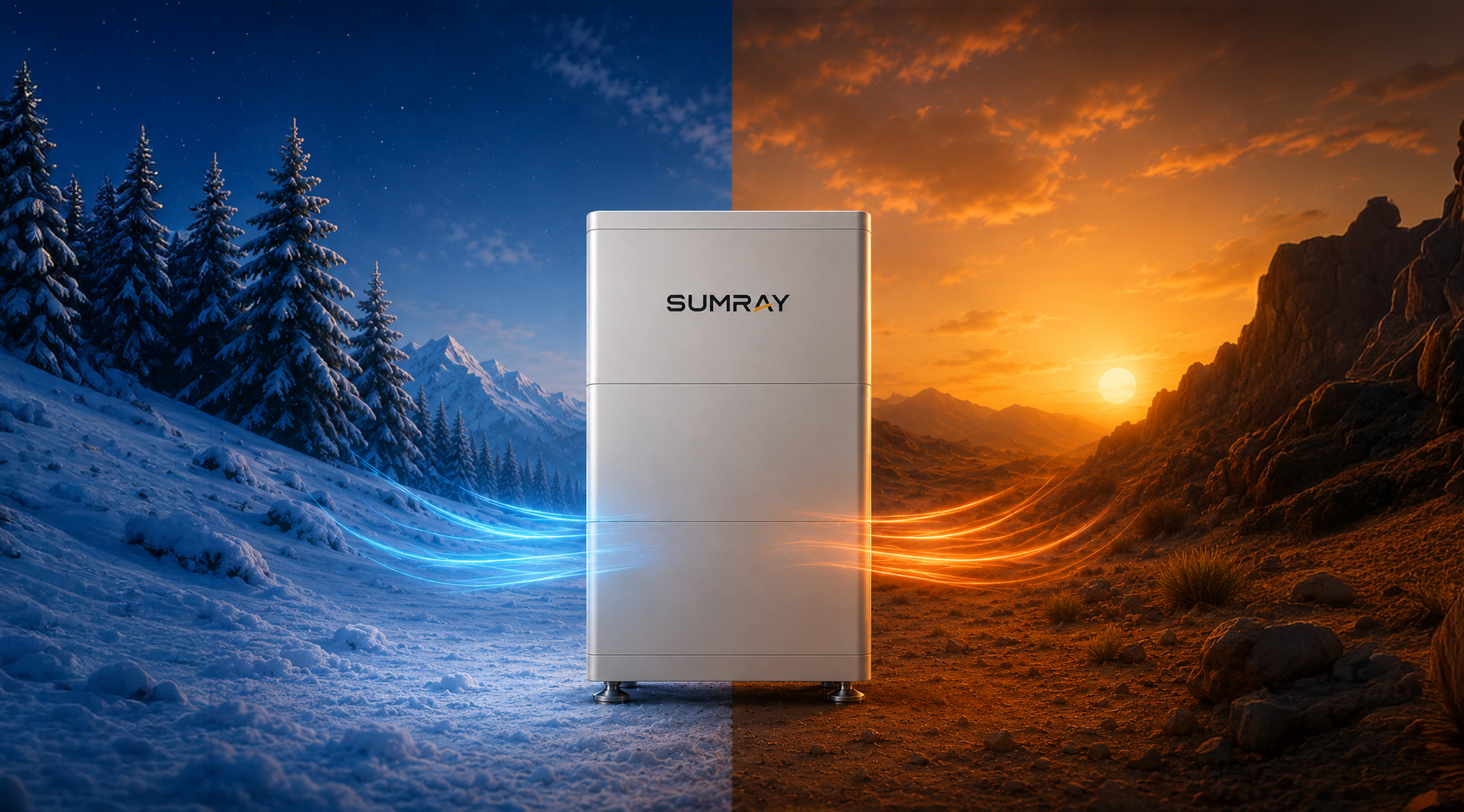
- Integrated heating. Charges reliably from 0°C and below through to 50°C, so cold mornings don't quietly cost you capacity.
- Installed to the AS/NZS 5139 standard by accredited installers.
What homeowners say
"What if something goes wrong in year eight?"
This is the real question behind most brand anxiety, and it deserves a direct answer.
A warranty is only as good as the company administering it. If you have a fault in year eight, you're not ringing a factory. You're ringing your installer.
We've completed more than 16,000 installs since 2017 and we're Australia's largest battery installer by kWh volume. We'll be here. That's the part of this decision we can actually promise you.
Four questions to ask on any battery quote
Not just ours. Take these to whoever you're comparing:
- What size is the inverter? A 5kW inverter can't run your aircon, oven and EV charger at once — so you'll still be buying peak grid power with a full battery on the wall.
- What happens if there's a fault? Most safety features are designed to prevent a fire. Very few can put one out.
- What's the warranty term, and what capacity does it guarantee at the end of it?
- Who's installing it, and will they still be trading in year ten?
If a quote can't answer all four clearly, that tells you something.
Want a straight answer for your home?
Send us your latest power bill and we'll tell you whether a battery stacks up for your place.