Sumray + Solis VPP Options: GEE Energy vs Discover Energy

October 21, 2026

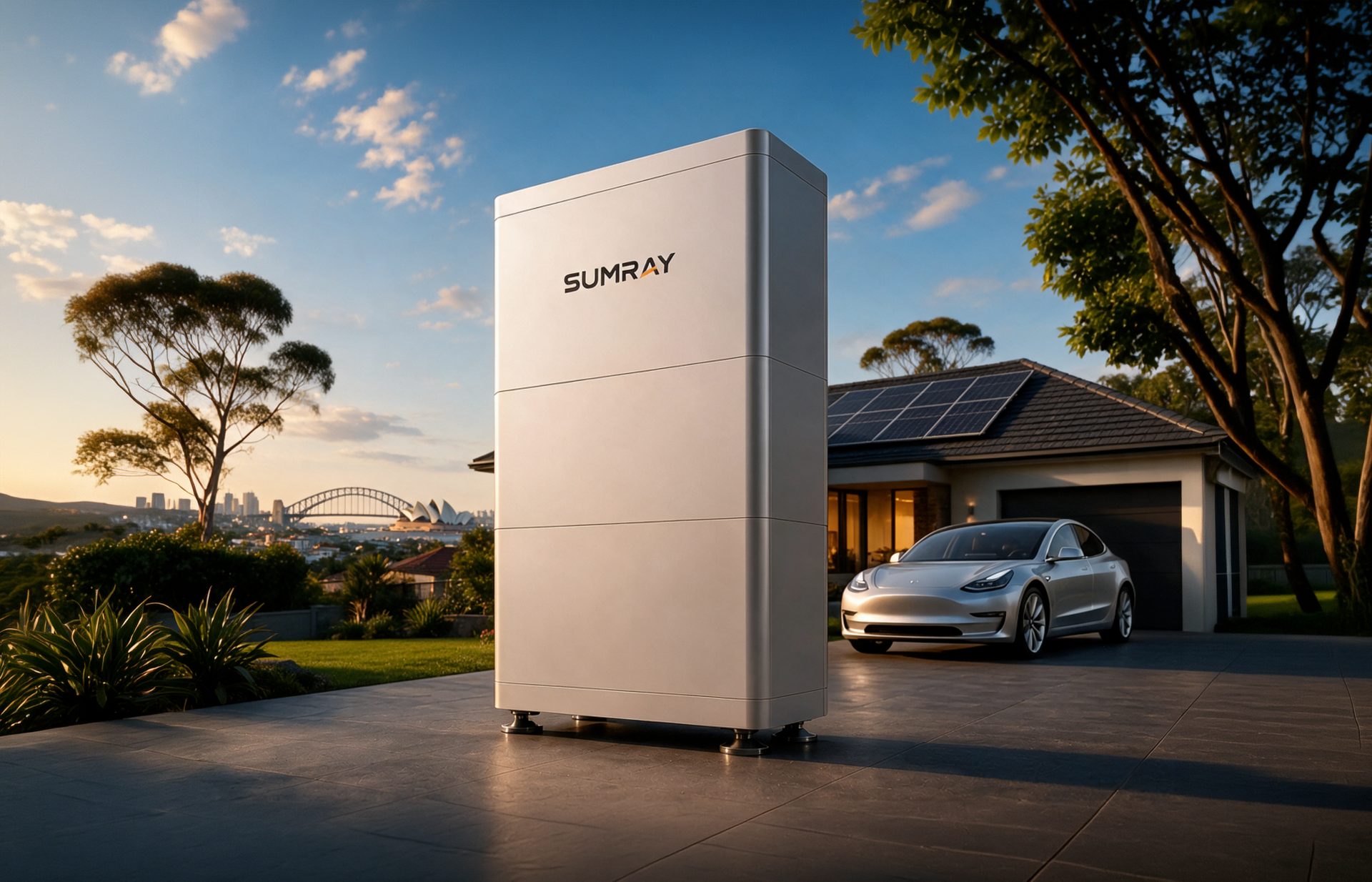
Sumray + Solis Batteries Now Work With Two VPPs: GEE Energy and Discover Energy


If you have a Sumray battery and Solis inverter installed by Aussie Solar Batteries, you now have two virtual power plant (VPP) options: GEE Energy and Discover Energy. Both pay you to join. They just reward you in different ways: one with free power every day, the other with a bigger upfront payment. Here’s how they compare, so you can pick the one that suits your home.


What’s a VPP?


A virtual power plant links thousands of home batteries together. When the grid is under pressure, usually on hot evenings, your retailer can draw some of the energy stored in your battery to help keep the network stable. In return, you get paid.


The rest of the time, your battery works for your home as normal: storing your solar during the day and powering your home at night.


Option 1: GEE Energy


How it works: Switch your electricity account to GEE Energy and join their VPP.


What you get:


  • Up to $500 paid by Aussie Solar Batteries
  • 3 hours of free power every day


Best for: households who can shift big appliances into the free window, like the dishwasher, washing machine, dryer, pool pump or EV charger.


Apply Now


Option 2: Discover Energy


How it works: Switch your electricity account to Discover Energy and join their VPP.

What you get:


  • $800 paid by Aussie Solar Batteries
  • $200 credit from Discover Energy
  • No free power window


Best for: households who want the biggest upfront reward.


Apply now


GEE Energy vs Discover Energy at a glance

Option 1

GEE Energy

Up to $500

Paid by Aussie Solar Batteries

  • Reward from the retailer 3 hours of free power every day
  • What you need to do Switch to GEE Energy and join its VPP
  • Best for Homes that can shift usage into the free hours

Free power window

Apply now

Option 2

Discover Energy

$800

Paid by Aussie Solar Batteries

  • Reward from the retailer $200 credit
  • What you need to do Switch to Discover Energy and join its VPP
  • Best for The biggest upfront reward

No free power window

Apply now

Which one should you choose?


Choose GEE Energy if you’re home during the day or can put appliances on a timer. Free power every day adds up. For example, moving 6kWh of usage into the free window each day at 30c per kWh is about $1.80 a day, or around $650 a year. That’s an example only; your result depends on your usage and plan rates.


Choose Discover Energy if you want the most money upfront and don’t want to change your routine.

Not sure? Send us your latest power bill and we’ll run the numbers on both options for you.


Who’s eligible?


  • You have a Sumray battery and Solis inverter installed by Aussie Solar Batteries
  • You’re happy to switch electricity retailer and join that retailer’s VPP
  • Your system has NSW BESS2 approval under the Peak Demand Reduction Scheme
  • You’re in NSW


Before you join any VPP


  • Your retailer can use your stored energy. During grid events, you may have less in the battery that evening. If backup matters to you, ask whether you can set a minimum reserve level.
  • Look at the whole plan, not just the reward. Check the supply charge, usage rates and feed-in tariff.
  • Check the contract length and exit terms, including whether any reward has to be paid back if you leave early.


Talk to us


Want to know which VPP will save you more? Call Aussie Solar Batteries on 1800 975 270 or email sales@aussiesolarbatteries.com.au with a copy of your latest power bill.

Frequently asked questions

  • What is a VPP?

    A virtual power plant (VPP) is a network of home batteries that an electricity retailer can draw on when the grid is under pressure, usually on hot evenings. You get paid or rewarded for taking part, and your battery keeps working for your home the rest of the time.

  • Do Sumray batteries work with a VPP?

    Yes. A Sumray battery paired with a Solis inverter, installed by Aussie Solar Batteries, can now join either the GEE Energy VPP or the Discover Energy VPP.

  • Which is better, GEE Energy or Discover Energy?

    It depends on how you use power. GEE Energy pays less upfront but gives you 3 hours of free power every day, which can be worth more over time if you can run appliances in that window. Discover Energy pays more upfront: $800 from Aussie Solar Batteries plus a $200 credit from Discover.

  • How much will Aussie Solar Batteries pay me to join a VPP?

    Up to $500 if you join the GEE Energy VPP, or $800 if you join the Discover Energy VPP. 

  • When are GEE Energy’s free power hours?

    GEE Energy customers get 3 hours of free power every day

  • Do I have to switch electricity retailer to join?

    Yes. Each VPP is run by the retailer, so you need to move your electricity account to GEE Energy or Discover Energy and join their VPP.

  • What is BESS2?

    BESS2 is an incentive under the NSW Peak Demand Reduction Scheme for connecting an eligible home battery to a VPP. Your system needs BESS2 approval to qualify for these offers. 

  • Will a VPP drain my battery?

    Your retailer can use some of your stored energy during grid events, so on those evenings you may have less left in the battery. Ask the retailer how often events happen and whether you can set a minimum reserve level.

  • Can I leave the VPP later?

    Usually yes, but check the contract length and exit terms first, including whether any reward has to be paid back if you leave early.

  • Is this offer available outside NSW?

    The offer relies on NSW BESS2 approval, so it is currently for NSW homes.

Can a 3-Phase Home Have an Automatic Changeover Switch?
By Nick Cao • October 12, 2026
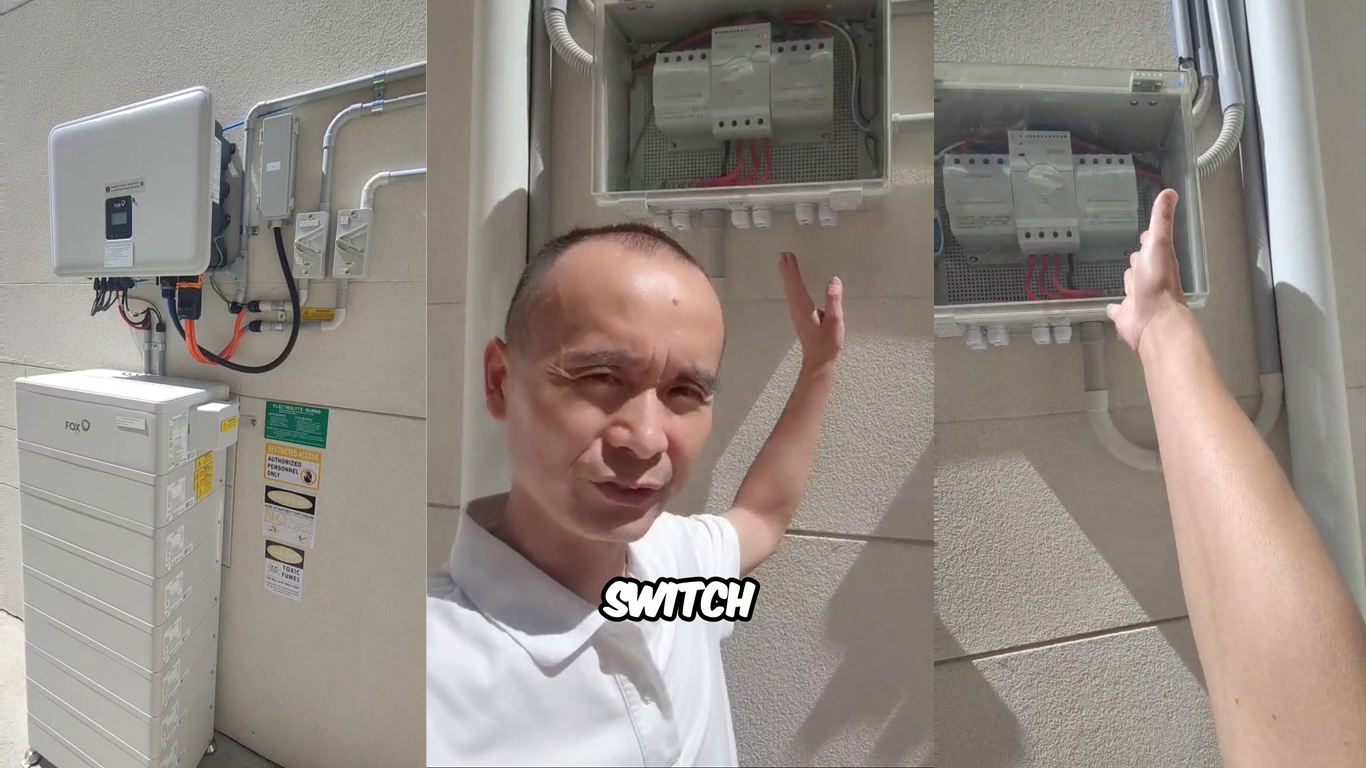
Got three-phase power and need automatic backup in a blackout? See how we installed a three-phase automatic changeover switch that stopped a home from flooding.
Sumray Battery Reviews
September 9, 2026
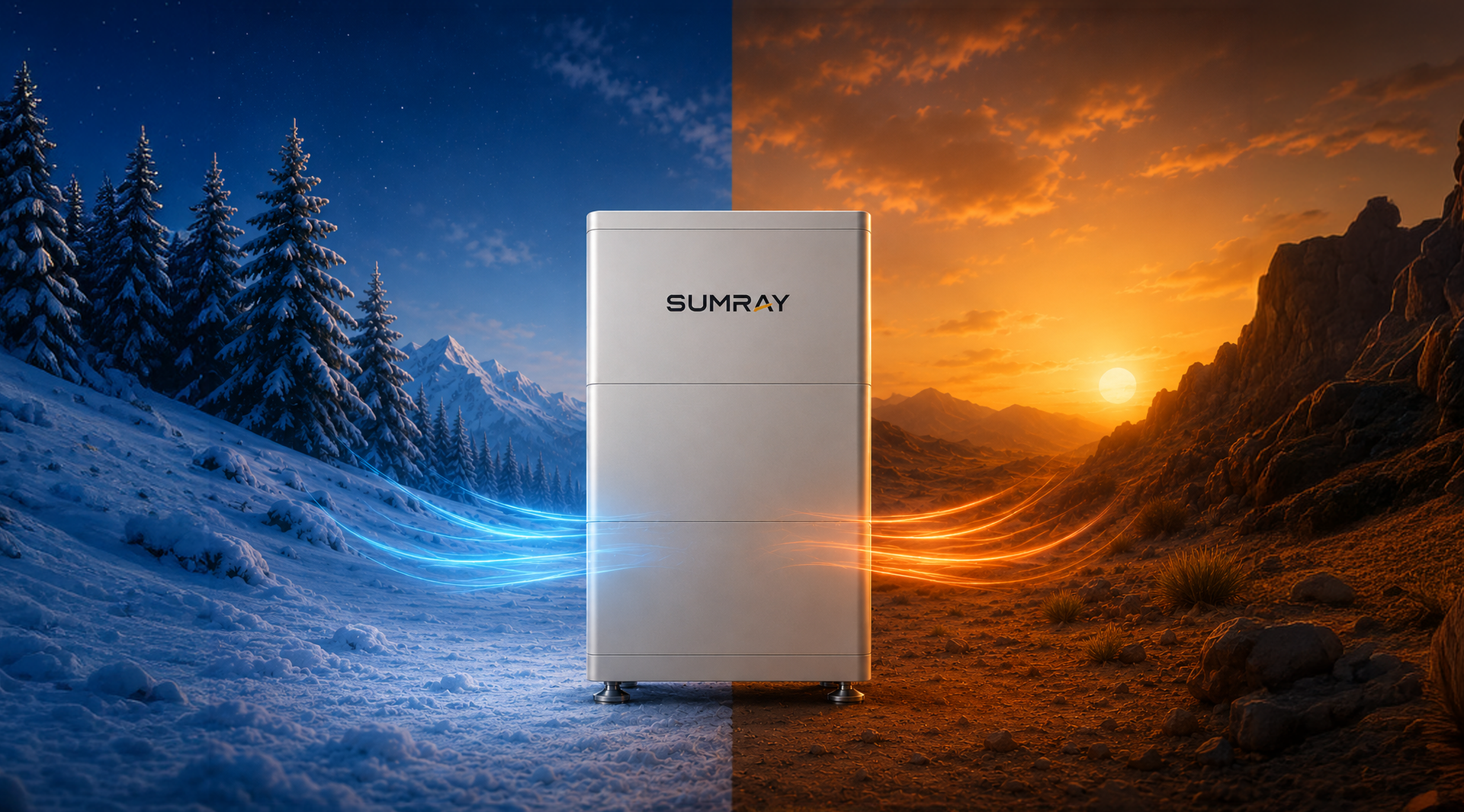
Researching Sumray batteries? Here's what you're actually buying, what our customers say, and the fair criticism worth knowing before you decide.
July 30, 2026
Most people weigh up a solar battery on price and payback. Then they read the headlines about lithium batteries catching fire, and the decision changes. Suddenly it is not about savings. It is about the thing bolted to the wall, sometimes a metre from a bedroom. That fear is worth taking seriously. So let us be honest about the facts, because they are not what most people assume. Lithium fires are rising. But not the ones you think. Fire and Rescue NSW recorded 332 lithium-ion battery incidents in 2025, up from 165 in 2022. The Commissioner says they are happening to households almost daily. Here is the part the headlines skip. Those fires are overwhelmingly e-bikes, e-scooters, power tools and cheap no-name devices, usually charged with the wrong charger or physically damaged. Properly installed home solar batteries are a different category, and only a small fraction of that count. Why home batteries are different A quality home battery uses lithium iron phosphate, or LFP. It resists thermal runaway far better than the cheap cells in a $200 scooter. It has a management system watching it around the clock. And in Australia it must be installed by an accredited professional to the AS/NZS 5139 standard. That is why energy storage fires are rare. But rare is not never. Even home batteries have been recalled before, the LG RESU range was subject to a compulsory recall over fire risk. Faults happen. And when a lithium battery does ignite, it is not a normal fire. It can exceed 1000°C, releases toxic gas, resists water, and can reignite hours later. Fire and Rescue say you are around four times more likely to be injured by a battery fire than an ordinary one. Prevention lowers the odds. This handles the rest. Nearly every safety feature on a battery is built to stop a fire starting. Very few do anything once one has. Think of it as four layers: Stable LFP chemistry. A management system that disconnects at the first sign of trouble. Emergency isolation and a modular design that contains a single fault. Built-in fire suppression, the last line, that acts if a fire ever starts. Layers one to three are common. Layer four is where batteries separate. A fire protection device sits inside the unit and, if it detects a fire, releases a suppressant at the source in the first moments, before it becomes a house fire. It does not make a battery fireproof. Nothing honest can. It changes the outcome if a fault ever occurs. The battery we install The Sumray battery has all four layers, including internal fire suppression built in, and is rated for up to 27 years. As one of Australia's largest installers, with 16,000+ systems since 2017, Aussie Solar Batteries fits every one to the current safety standard. Because the safest battery is only as safe as the hands that install it. Worried about battery safety? Check if your home qualifies for a Sumray battery with built-in fire protection. $0 upfront, no obligation.