July 30, 2026
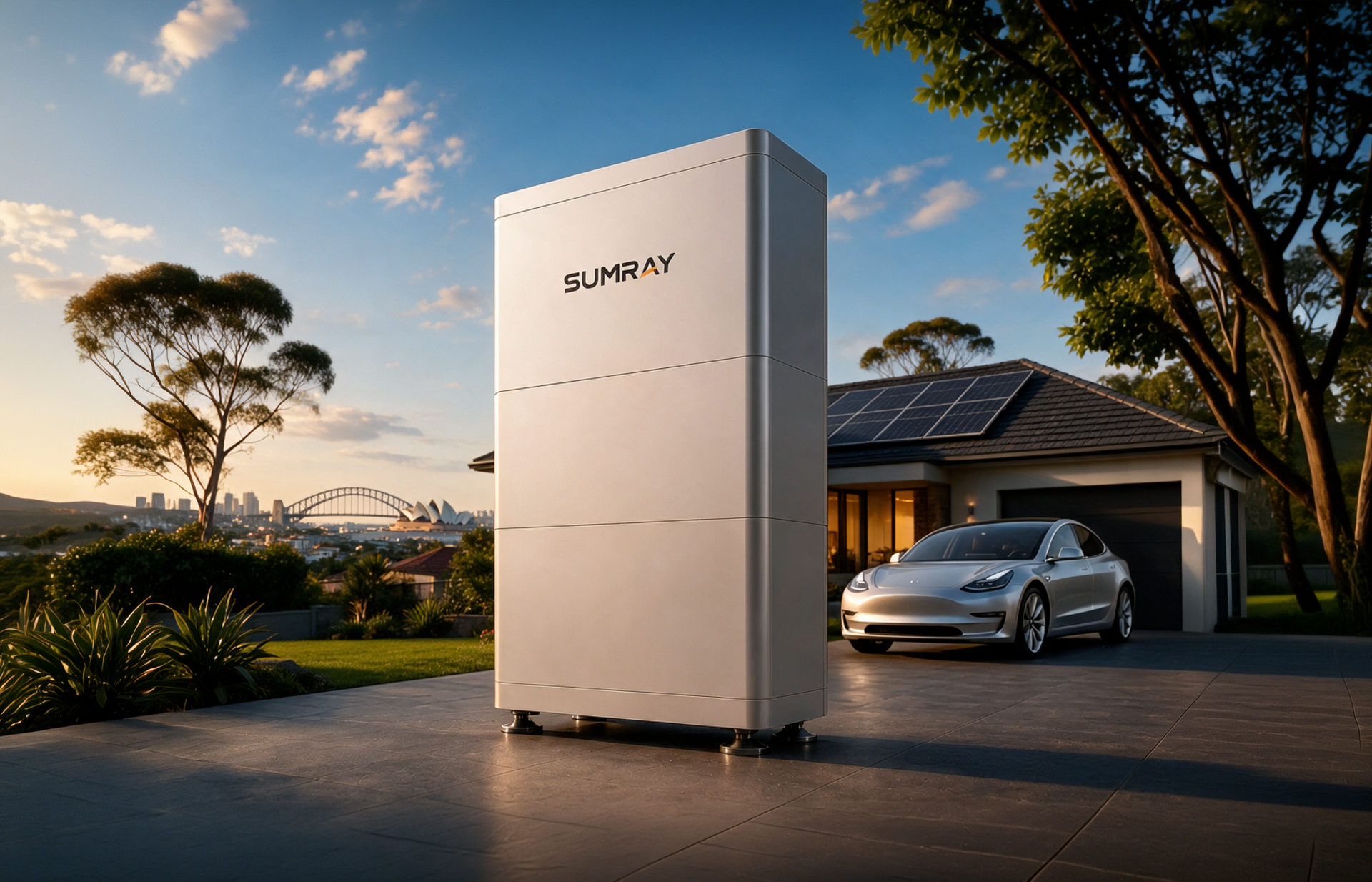
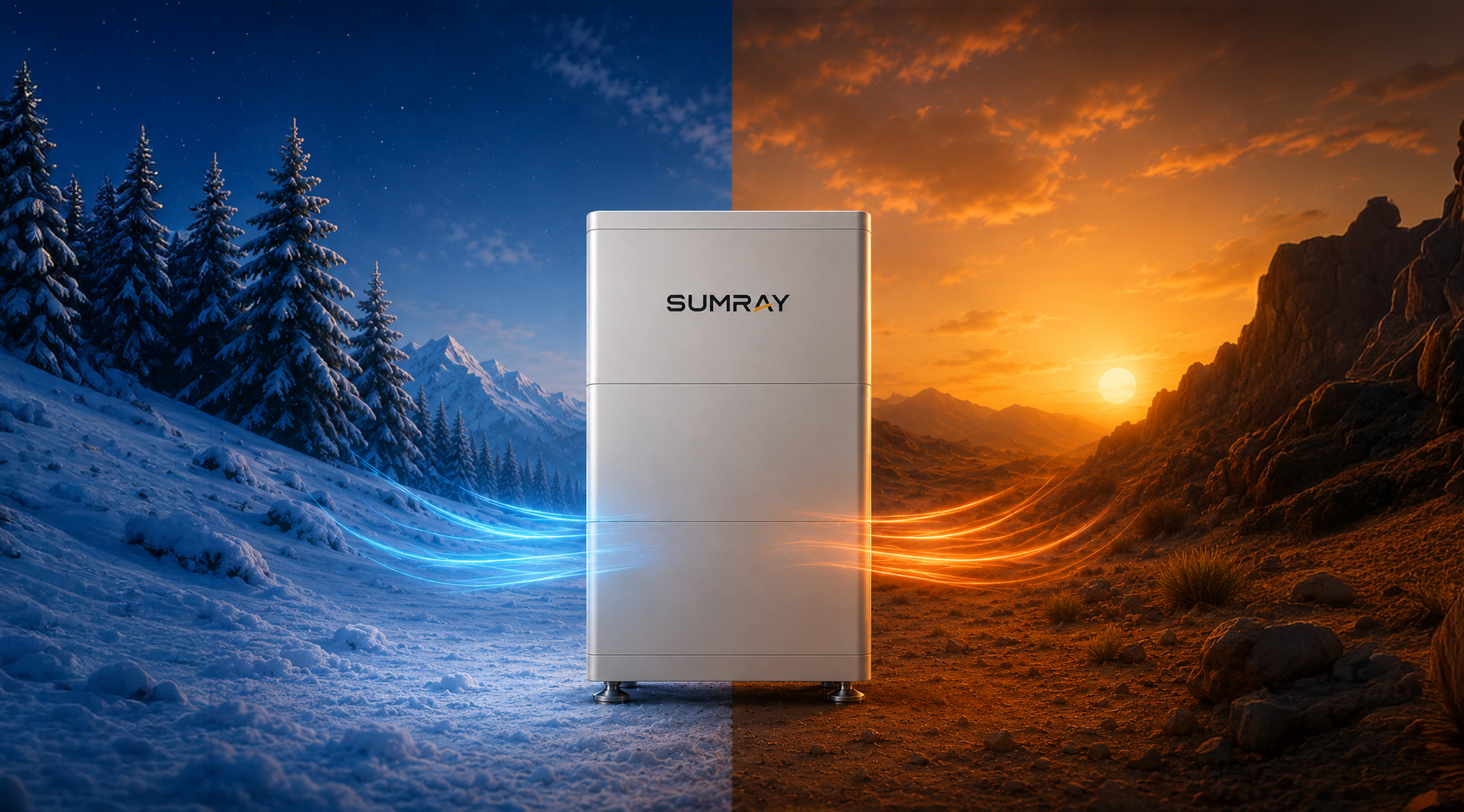
Most people weigh up a solar battery on price and payback. Then they read the headlines about lithium batteries catching fire, and the decision changes. Suddenly it is not about savings. It is about the thing bolted to the wall, sometimes a metre from a bedroom. That fear is worth taking seriously. So let us be honest about the facts, because they are not what most people assume. Lithium fires are rising. But not the ones you think. Fire and Rescue NSW recorded 332 lithium-ion battery incidents in 2025, up from 165 in 2022. The Commissioner says they are happening to households almost daily. Here is the part the headlines skip. Those fires are overwhelmingly e-bikes, e-scooters, power tools and cheap no-name devices, usually charged with the wrong charger or physically damaged. Properly installed home solar batteries are a different category, and only a small fraction of that count. Why home batteries are different A quality home battery uses lithium iron phosphate, or LFP. It resists thermal runaway far better than the cheap cells in a $200 scooter. It has a management system watching it around the clock. And in Australia it must be installed by an accredited professional to the AS/NZS 5139 standard. That is why energy storage fires are rare. But rare is not never. Even home batteries have been recalled before, the LG RESU range was subject to a compulsory recall over fire risk. Faults happen. And when a lithium battery does ignite, it is not a normal fire. It can exceed 1000°C, releases toxic gas, resists water, and can reignite hours later. Fire and Rescue say you are around four times more likely to be injured by a battery fire than an ordinary one. Prevention lowers the odds. This handles the rest. Nearly every safety feature on a battery is built to stop a fire starting. Very few do anything once one has. Think of it as four layers: Stable LFP chemistry. A management system that disconnects at the first sign of trouble. Emergency isolation and a modular design that contains a single fault. Built-in fire suppression, the last line, that acts if a fire ever starts. Layers one to three are common. Layer four is where batteries separate. A fire protection device sits inside the unit and, if it detects a fire, releases a suppressant at the source in the first moments, before it becomes a house fire. It does not make a battery fireproof. Nothing honest can. It changes the outcome if a fault ever occurs. The battery we install The Sumray battery has all four layers, including internal fire suppression built in, and is rated for up to 27 years. As one of Australia's largest installers, with 16,000+ systems since 2017, Aussie Solar Batteries fits every one to the current safety standard. Because the safest battery is only as safe as the hands that install it. Worried about battery safety? Check if your home qualifies for a Sumray battery with built-in fire protection. $0 upfront, no obligation.