Solar Battery Installations in NSW Surge: Why Bigger Batteries Are Winning in 2025
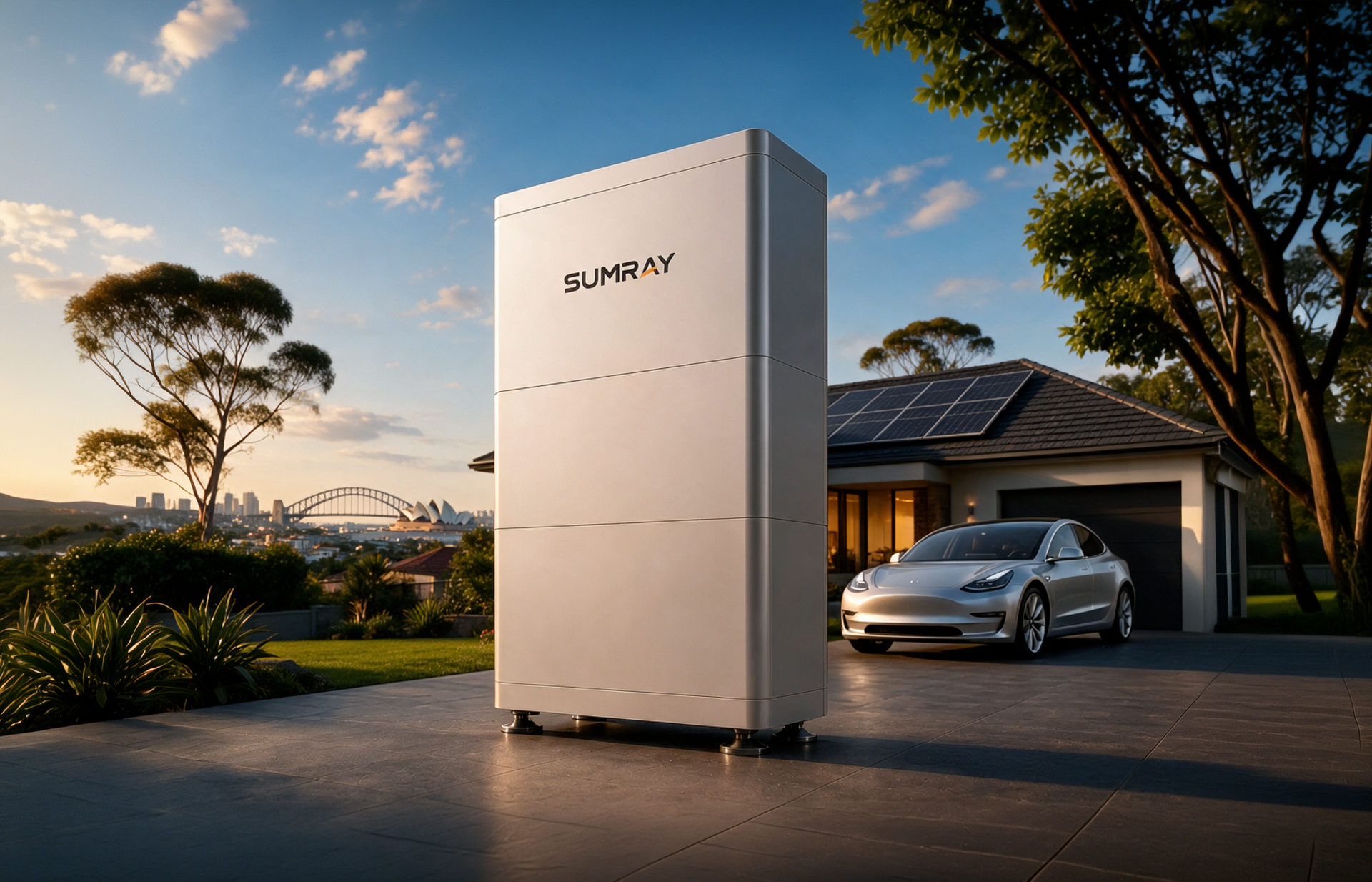
Solar battery installations in NSW are booming in 2025, with record rebates of $372/kWh.
Across New South Wales, solar battery installations are surging at record speed. What was once a slow, steady trend has exploded into a statewide energy movement and 2025 is the tipping point.
A powerful mix of federal and state rebates is driving the boom, and homeowners who act now — especially with larger systems are securing some of the biggest incentives Australia has ever offered for home energy.
A Record-Breaking Rise in NSW Battery Uptake
In just July and August 2025, more than 43,500 home solar batteries were installed nationwide. Over 15,000 of those were in NSW, making it the clear leader in the national rollout. That’s roughly 1,000 new battery systems every day, compared to 74,000 installations across all of 2024.
What’s different this time isn’t just the volume, it’s the size. The average battery capacity in NSW has jumped to around 19–20 kWh, with many households going even bigger choosing 30 to 42 kWh systems to maximise their rebates and future-proof their energy use.
The Federal Rebate That Changed the Game
The turning point came on 1 July 2025, when the federal government launched the “Cheaper Home Batteries Program.”
This program offers around $372 per kWh in rebates. The rebate is applied per kilowatt-hour, which means larger batteries receive larger discounts.
Here’s what that looks like:
10 kWh system → ~$3,720 rebate
30 kWh system → ~$11,160 rebate
42 kWh system → ~$15,624 rebate
By installing bigger systems, NSW households are locking in four-figure savings upfront, before even factoring in electricity bill reductions or export earnings.
NSW Stacks Even More Incentives on Top
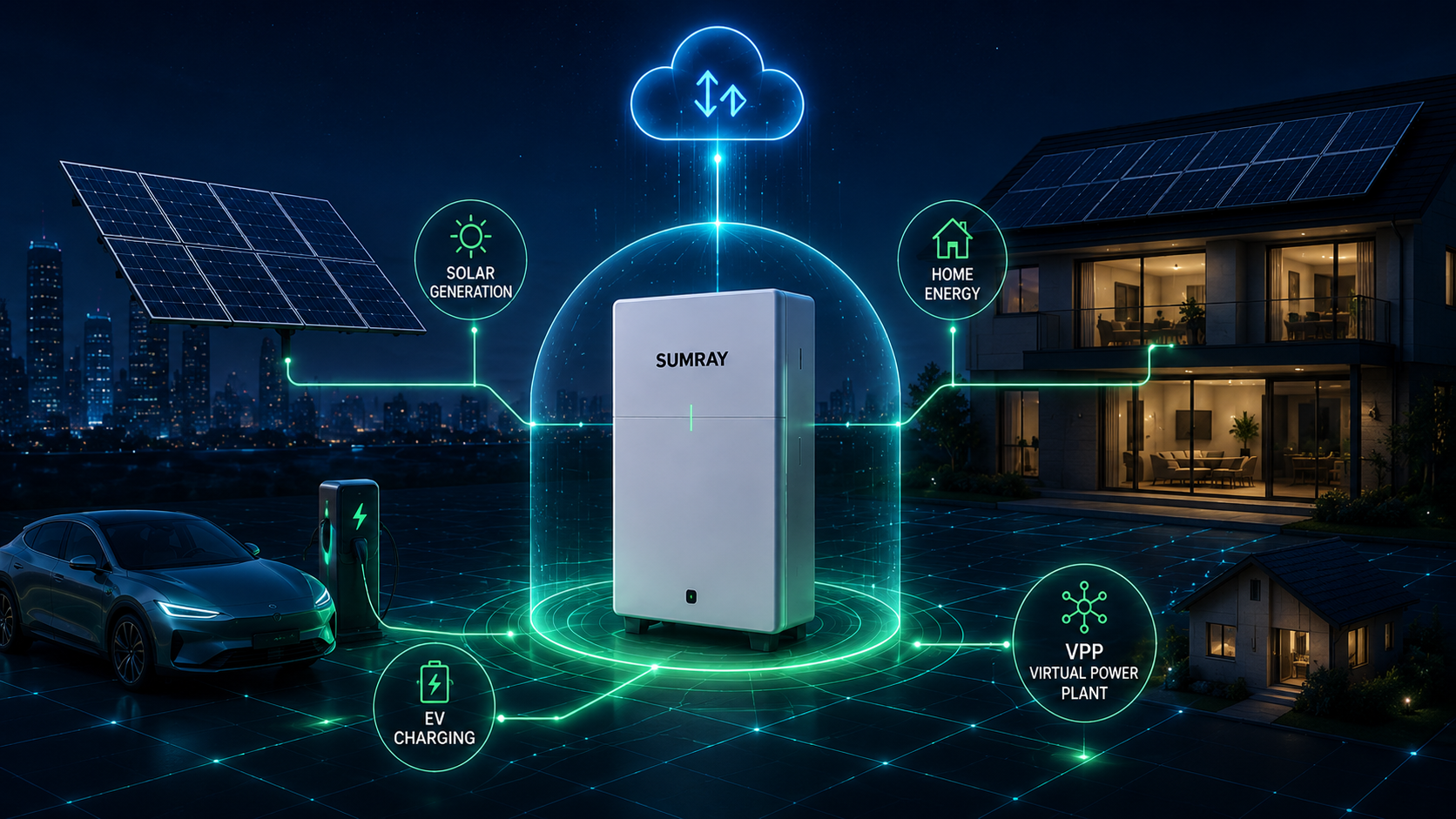
NSW residents can also claim an additional $1,500 incentive by connecting their battery to a Virtual Power Plant (VPP).
This allows your battery to feed excess energy into the grid during peak periods and get paid for it. When stacked with the federal rebate, NSW homeowners can unlock incentives exceeding $17,000 for a 42 kWh battery in 2025.
No surprise then that NSW has quickly become the centre of the battery boom. With high solar penetration, rising electricity prices, and strong government support, the economics have never been better for going big on storage.
Why Bigger Batteries Are Winning
Smaller 10 kWh batteries can cover the evening peak, but larger systems can do much more. A 42 kWh battery can comfortably power a full household overnight, run pool pumps, charge EVs, and export surplus power during high-price events.
Bigger batteries also:
- Maximise rebate dollars while the rate is still $372/kWh
- Provide greater energy independence and blackout protection
- Allow for future growth in household energy use
- Unlock higher VPP and export earnings
This is why more Sydney homeowners are skipping entry-level systems and going straight to larger setups that deliver stronger returns over time.
The Clock Is Ticking on Rebates
There’s a catch: these rebates won’t last forever. The $2.3 billion federal rebate pool was designed to run until 2030, but the surge in demand means it may run out years early.
Even if it doesn’t, the per-kWh rebate will step down annually. A 42 kWh battery that earns $15,000 in rebates today could be worth several thousand less if installed in a few years.
And as demand spikes, wait times for installations are lengthening. Those who delay risk missing the top rebate tier or waiting months for an available installer.
NSW Leads the Energy Revolution
This moment in NSW mirrors the early solar boom a decade ago. Back then, early adopters who installed panels with high feed-in tariffs locked in huge savings. Now, with batteries, history is repeating itself, only this time the opportunity is even bigger.
- NSW leads the nation in battery installations
- Larger systems are capturing the lion’s share of rebates
- VPP incentives are stacking additional value
- Rebate rates are at their peak for now
The surge isn’t just about cutting bills; it’s about energy independence, resilience, and getting ahead of the curve.
A Rare Window of Opportunity
For NSW homeowners, 2025 is a rare sweet spot: the rebates are at their maximum, technology is mature, and the economics heavily favour larger systems.
As rebate rates step down and installation queues grow, early adopters stand to benefit the most. This is the moment many Sydney households will look back on as the year they took control of their energy future and locked in thousands in savings.
* Based on data from the Clean Energy Regulator (September 2025), NSW Government energy programs, and the Cheaper Home Batteries Program. Figures current as of October 2025.